
The Alchemist’s lens Newest
A creative philosophy that reads materials, ideas, and gestures through the symbolic framework of transformation.

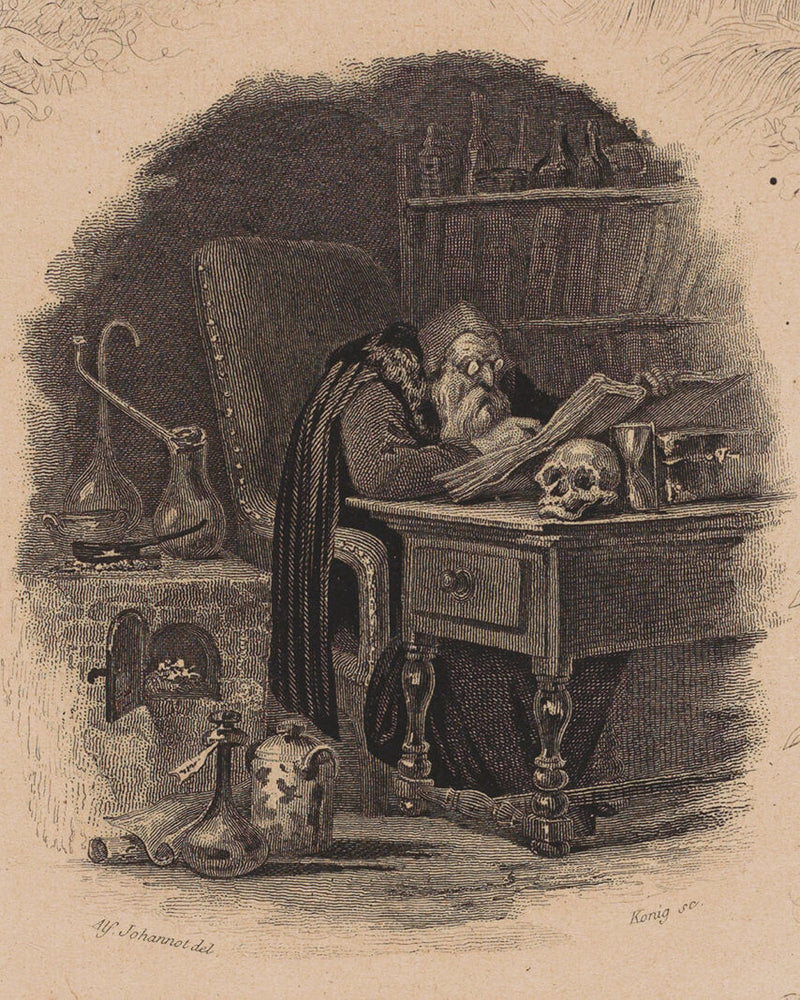
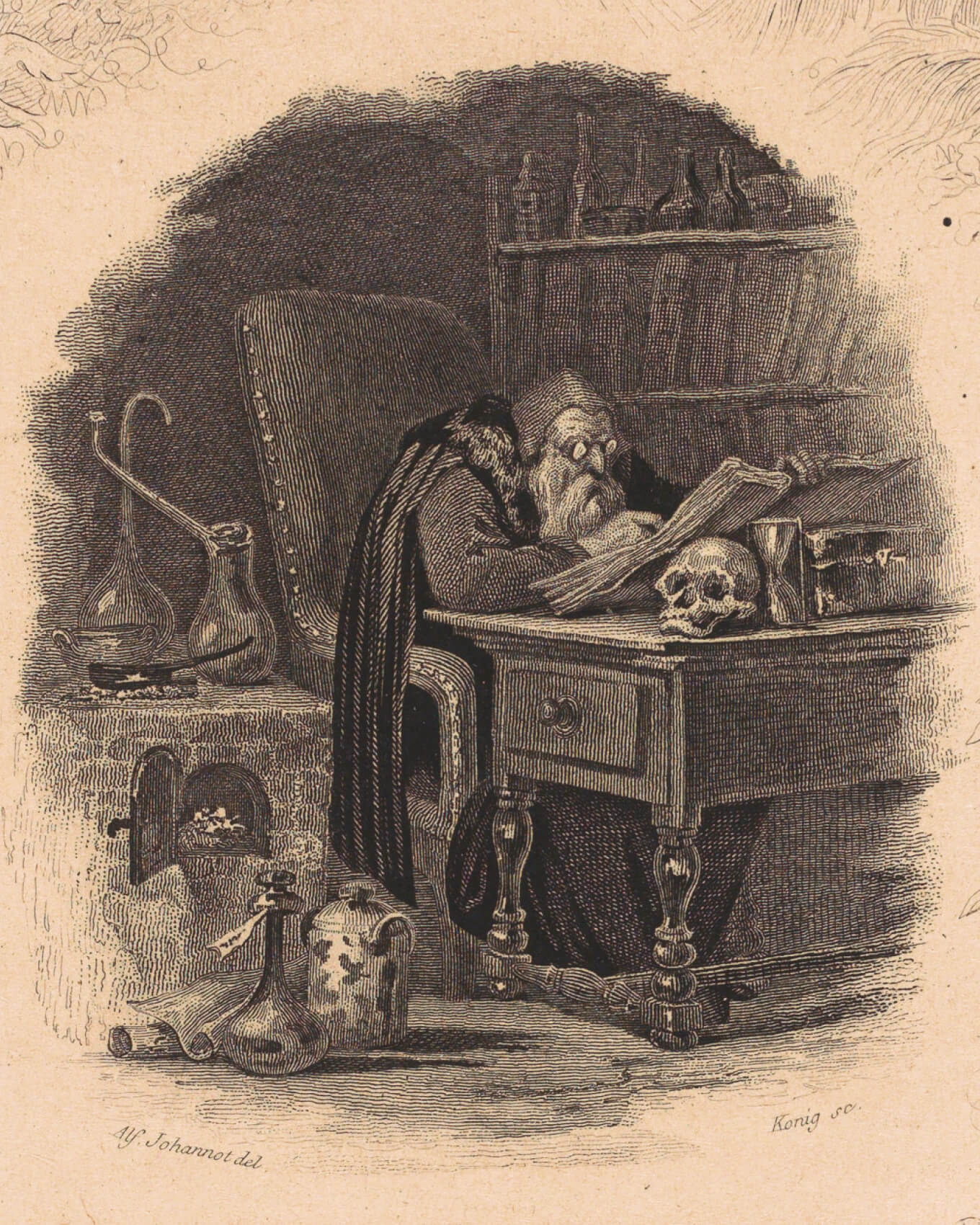
Creation begins the moment matter is asked to change. Alchemy gives language to that moment, clarifying the forces that guide a design from rawness to form. It functions not as mythology, but as an interpretive lens—a way of understanding how materials behave, how intention shifts with each gesture, and how transformation becomes visible through process. In this sense, alchemy speaks fluently to contemporary creation: attentive to matter, sensitive to transition, anchored in the discipline of refinement.
Across centuries, the Four Elements—Earth, Water, Air, Fire—have served as archetypes of perception rather than physical substances. They illuminate how texture, color, rhythm, and structure are sensed and organized. In The Psychoanalysis of Fire, Gaston Bachelard observed that each element generates its own mode of imagination—an insight that continues to resonate when examining the frictions, gestures, and quiet decisions behind design today.
Earth
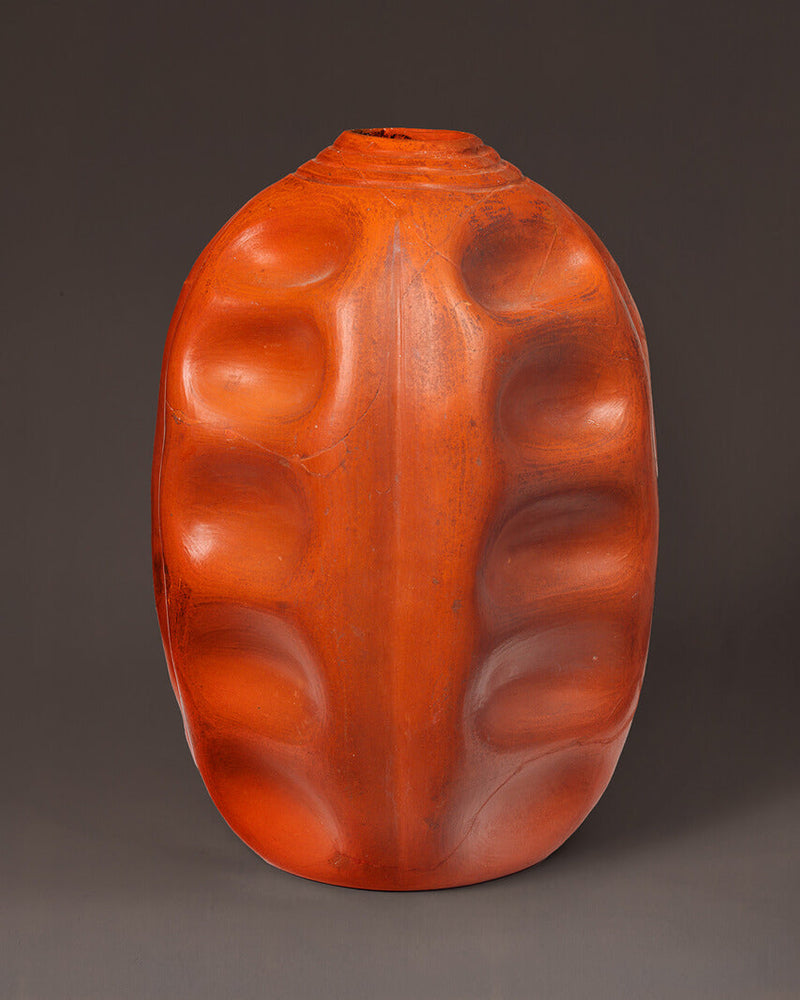
Earth is the point of contact with materiality: texture, pigment, metal, fiber—the density that resists the hand and therefore defines the gesture. To work with Earth is to acknowledge material truth. Clay slumps unless supported; metal becomes pliable only under heat; mineral pigments shift depending on granulation and binder. These are not metaphors, but constraints that shape form long before narrative enters the work.
Anni Albers described weaving as “listening to materials,” a practice rooted in sensitivity and precision. Her words apply broadly: Earth reminds us that every object carries traces of its origin—the memory of the raw state from which it evolved.
Water
Water introduces motion. It governs dye processes, fluid silhouettes, reflective surfaces, and every technique where flow rather than structure determines the outcome. Water carries variability: colors diffuse, folds settle differently, fibers react to humidity in subtle but perceptible ways.
Within the creative process, Water embodies adaptability. Ideas rarely move in straight lines; they branch, widen, dissolve, and reform. Water reveals pathways that rigid methods obscure. Its value is observational: it teaches how forms behave when allowed to move, and how meaning emerges when control softens.
Air
Air is the architecture of perception—proportion, spacing, rhythm, the calibration of presence and absence. In design, Air defines balance. A composition may feel grounded or suspended depending on its negative space; a surface may breathe or constrict based on its internal cadence.
Agnes Martin’s grids, refined to near-immaterial simplicity, show how restraint can generate emotional resonance. Air is not emptiness, but structure: the clarity that allows form to speak without excess, the calm that remains after unnecessary gestures are removed.
Fire
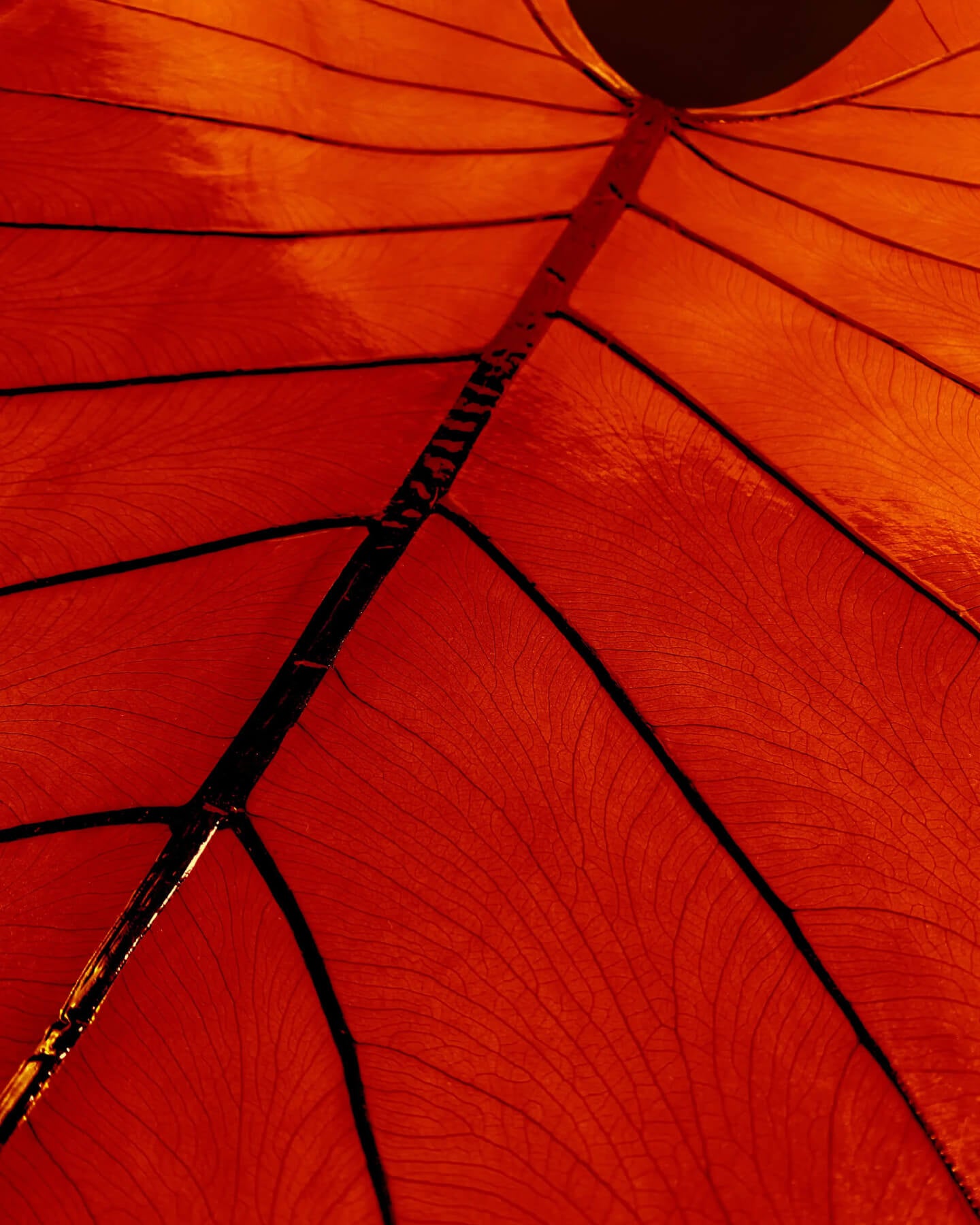
Fire marks the threshold of transformation. It is the catalyst that shifts matter—and intention—into new states. In practice, Fire appears in decisive edits, chromatic contrasts, bold material combinations, or the decision to abandon what is technically correct in favor of what feels alive.
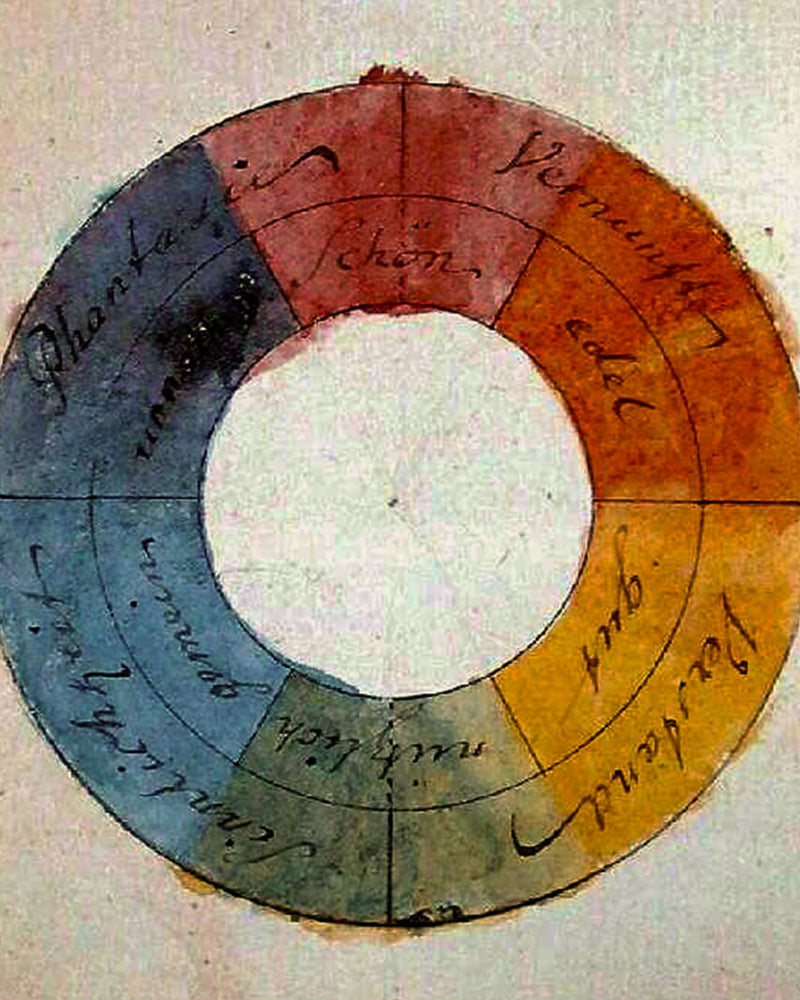
Josef Itten approached color as an energetic phenomenon, exploring contrasts capable of igniting perception. Fire demands risk, and risk is often what turns a sequence of trials into a coherent identity. It is the moment in which creation becomes irreversible.
“Color is life; for a world without color appears to us as dead.”


The Tria Prima
Historical alchemy described the Tria Prima—Sulphur, Mercury, and Salt—as conceptual forces governing transformation. Sulphur expressed volatility and direction; Mercury, fluidity and connection; Salt, stabilization and form.
In contemporary creation, this triad becomes process logic. Sulphur is intuition—the initial spark or orientation. Mercury is iteration—the ability to move, revise, and absorb contradiction. Salt is coherence—the point at which a form crystallizes and becomes legible. Nothing here relies on belief; it is a clear way to describe how ideas behave as they move through stages of refinement.
The studio as crucible
Every studio, workshop, or creative space acts as a crucible—an environment where materials respond to light, pressure, temperature, and gesture. Pigment thickens as it dries; fiber tightens under tension; heat alters resistance long before it changes appearance. Pigments shift under different grounds, fibers behave differently depending on tension, sketches transform as soon as constraints become visible. What distinguishes a creator is the ability to interpret these interactions: to sense when a gesture aligns with intention, when a composition breathes, when a form has reached its necessary state.
From elements to expression
Seen through an alchemical lens, a creative universe becomes a coherent system of decisions. Earth informs material choices; Water shapes movement and the way a material falls; Air guides composition and spatial clarity; Fire defines chromatic energy and risk. The Tria Prima adds another dimension—how intention, exploration, and resolution interact over time.
Through this view, transformation is never only external. As materials shift, the maker’s inner direction clarifies, allowing what is internal to take visible form. This is not mythology. It is a structured way to understand why certain choices feel true to an identity: why some forms resonate immediately, why others remain unresolved, and how even a subtle shift in rhythm, color, or density can alter the overall meaning of an object.
Objects shaped through attentive processes carry traces of their transformation. They record gestures, tensions, hesitations, and breakthroughs. When worn, they become part of an evolving personal narrative—not merely symbolic, but tangible evidence of an inner journey expressed through form. To work through the alchemist’s lens is to recognize that every piece is, in its essence, a history of change: from raw to refined, from matter to meaning.