


Blood Orange
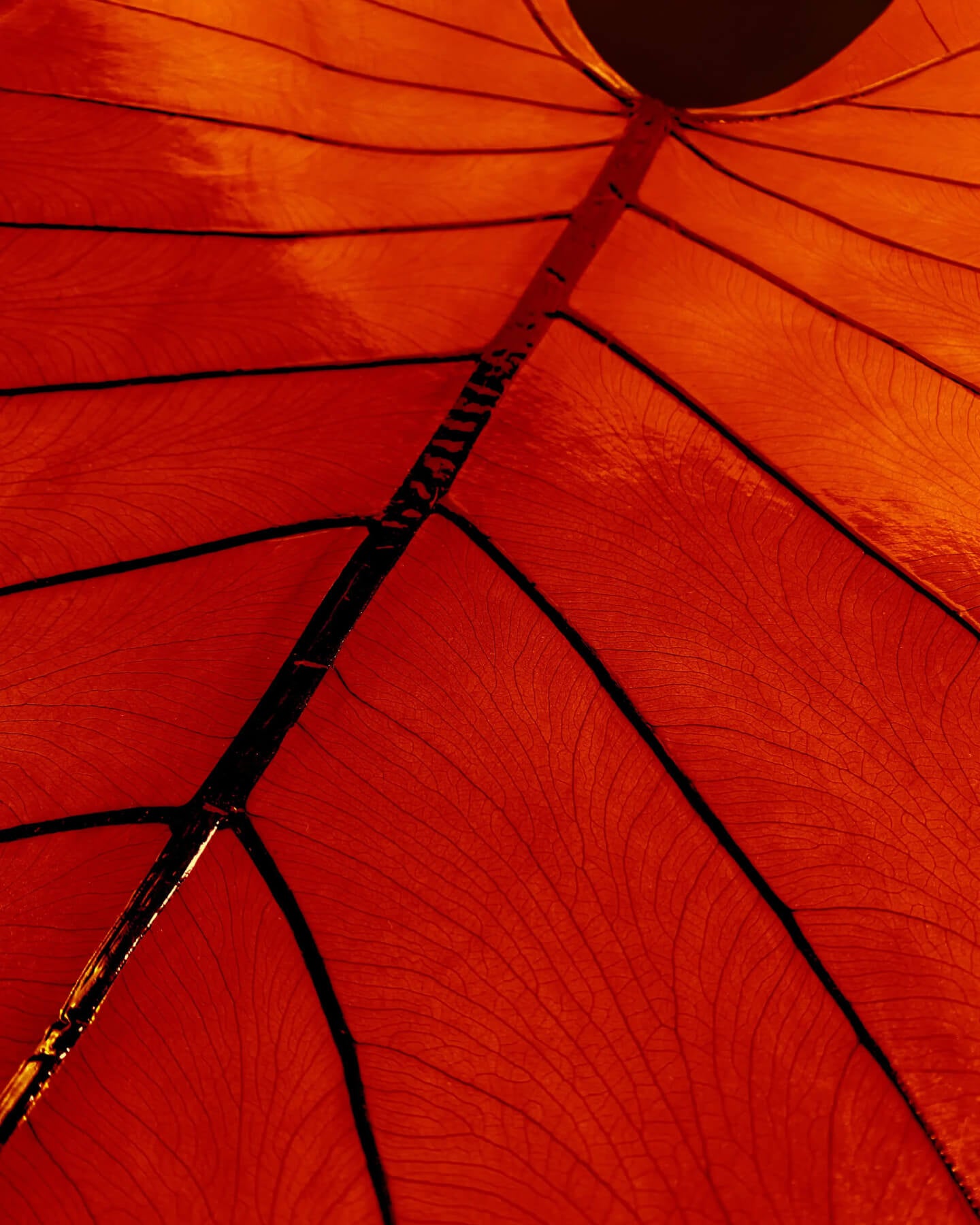
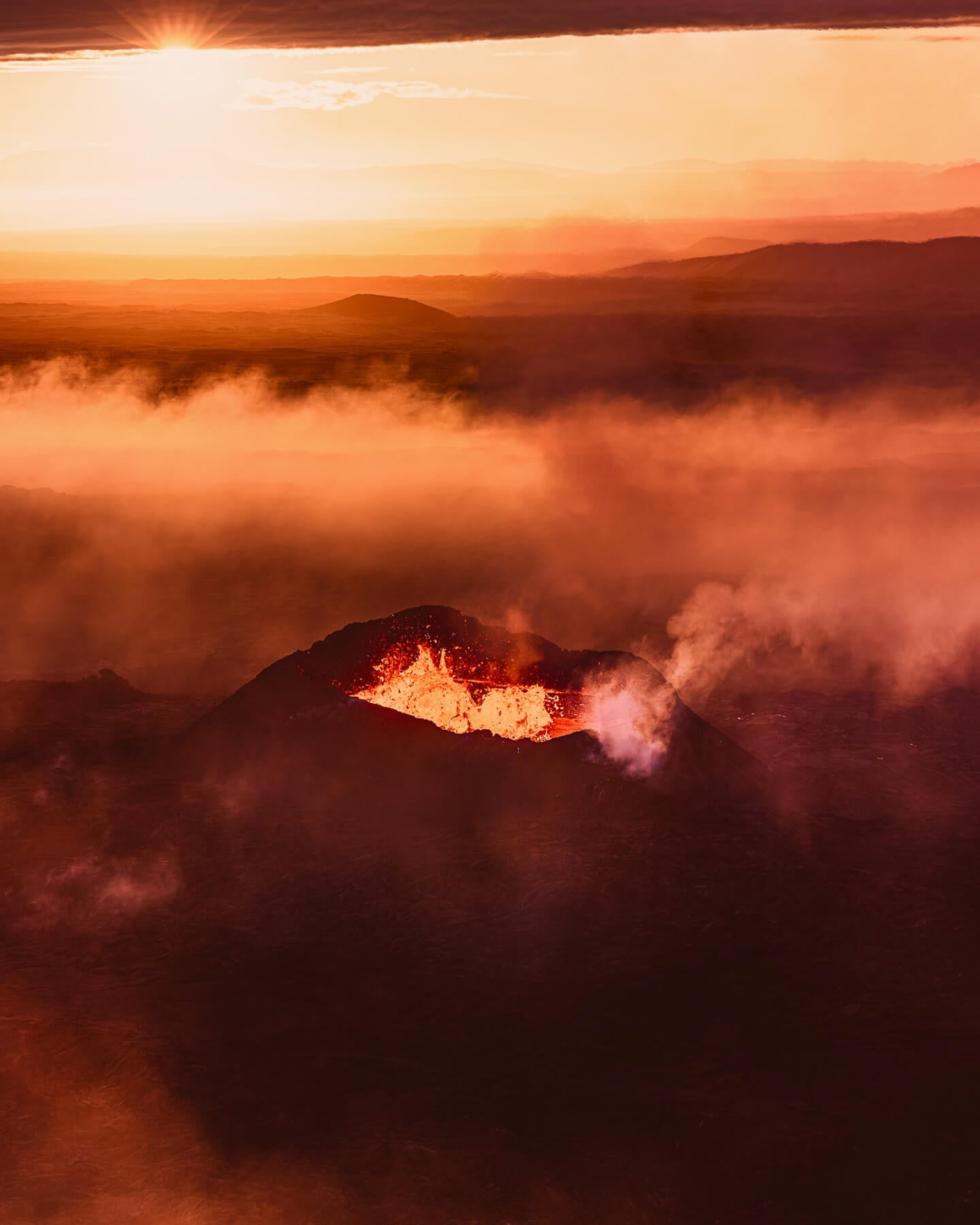
Blood orange is caused by anthocyanins, water-soluble pigments found in no other citrus fruit. They accumulate only under cold Mediterranean nights in winter, which is why the finest blood oranges, Tarocco, Moro, Sanguinello, come from the slopes of Mount Etna in Sicily, where volcanic soil and sharp temperature drops between day and night produce the deepest crimson flesh on Earth.
In chromatherapy, orange-red is the frequency of the sacral chakra, the seat of creativity, pleasure, and the life force that moves through the body as vitality. Orange carries warming energy that supports healthy digestion, stimulates the liver, boosts energy levels, and enhances creativity and enthusiasm. It is the best emotional stimulant, removing inhibitions, strengthening the appetite for life, and helping the body and mind assimilate new ideas simultaneously.
Edwin Babbitt, in his landmark 1878 work The Principles of Light and Color, identified orange as a nerve stimulant, the frequency that wakes the system without overstimulating it, that brings warmth without fire. Blood orange sits exactly at the meeting point of red’s vitality and orange’s creativity: a colorway that activates and nourishes.
Sound Frequency
- 417 Hz
- The Solfeggio tone of transformation and new beginnings
- The frequency that undoes negative patterns, clears old energetic residue, and makes space for radical creative renewal
Chakra
- Svadhisthana
- The Sacral Chakra
- Located just below the navel
- The original wellspring of creative fire, sensuality, emotional intelligence, and the will to bring things into being

The Rainbow Portrait of Queen Elizabeth IMarcus Gheeraerts the Younger, c. 1600
Historical significance
Red ochre, the earthy terracotta ancestor of this colorway, is the oldest pigment in human history, traced back 300,000 years. Early cultures scattered it over the graves of the dead, painted it onto warriors’ weapons and bodies, and believed it carried magical, supernatural power. Its resemblance to blood linked it permanently to fertility, life, and the force of survival.
In ancient Egypt, this orange earth-tone was worn by royalty and priests, associated with the sun god Ra, the cyclical nature of life and death, and the illumination of the afterlife, a color understood as a mediator between worlds.
During the Renaissance, Titian and Michelangelo used deep red-orange pigments for flesh tones, to convey warmth, life, and the full complexity of human presence.
The blood orange colorway says: I am present.

Organ
- Reproductive organs, lower abdomen, kidneys
- The seat of creative life force
- Where ideas are conceived before they become form
Helps with
- Dissolving emotional blockages, releasing past trauma, restoring creative flow, and clearing the body’s energy field for genuine new beginnings
- Reigniting the appetite for life
- Moving from stagnation into motion
- Reclaiming desire as a sacred faculty

Mineral
- Carnelian
- Ancient stone of courage, creative power, and vital force
- Carried by Egyptian high priests and Mesopotamian warriors
Element
- Transformation through fire
- Be the force of nature you came here to be
- Creative sovereignty
- Passion and energy with a depth and groundedness that distinguishes it from brighter, lighter oranges

Sense
- Touch...the most primal and direct sense
- The body’s oldest intelligence
- The bodies acute awareness prior to the mind registering a thought
- The sixth sense
Smell
- Bitter citrus rind
- Raw terracotta warmed by sun
- Smoked cedarwood
- Iron-rich earth after rain
- The interior of an ancient clay vessel
- Amber and dried fig

Emotion
- Fierce
- Pure joy
- Exuberant
- Sensual
- Vital
- Alive
Taste
- Pomegranate seed
- The dark bitter finish of aged Campari
- Smoked paprika
- 90% cacao with the zing of citrus
- Orange blossom in mascarpone
- Blood orange olive oil drizzle in polenta
- Blood orange zest on bitter greens

Pigment in nature used to create color
- Hematite and iron-rich ochre mineral, the first pigment ever used by human hands
- Blood orange rind and pulp
- Pomegranate
- Cinnabar
- Rust on old iron
- The skin of a ripe persimmon at its darkest
- Wet red clay
- The embers of a hardwood fire collapsing into itself

FEEL VITAL
BE CREATIVE


