


Saffron
Saffron is the most precious spice on earth. Each crocus gives only three crimson threads, picked by hand at dawn before the sun wilts the flower, and it takes roughly one hundred and fifty thousand blossoms to yield a single kilogram. This is why it has outpriced gold by weight for most of recorded history. The threads are deep red in the hand, yet release a molten gold into water, milk or rice, one color held inside another. Alexander’s armies bathed in saffron water to heal their wounds. Cleopatra steeped it in her baths for its scent and stain. Buddhist monks dyed their robes with it. Saffron moved along the trade routes as currency.
Saffron is medicine. Persian and Ayurvedic physicians prescribed it for the heart and the spirit, and modern study has followed, examining crocin and safranal, the compounds that carry its color and aroma, for their effect on mood. Saffron is a lifter of spirit, its reputation carried from ancient text into the laboratory.
The saffron robe is the emblem of renunciation. Its color, most often drawn from turmeric, jackfruit heartwood and bark rather than the costly spice itself, is chosen as the hue of flame, the great transformer, the element that burns away impurity. Worn identically by every monk, it dissolves rank and ego into the community. To wear saffron is to be part of something larger, the separate self receding, a vow of mindfulness, to walk the path.
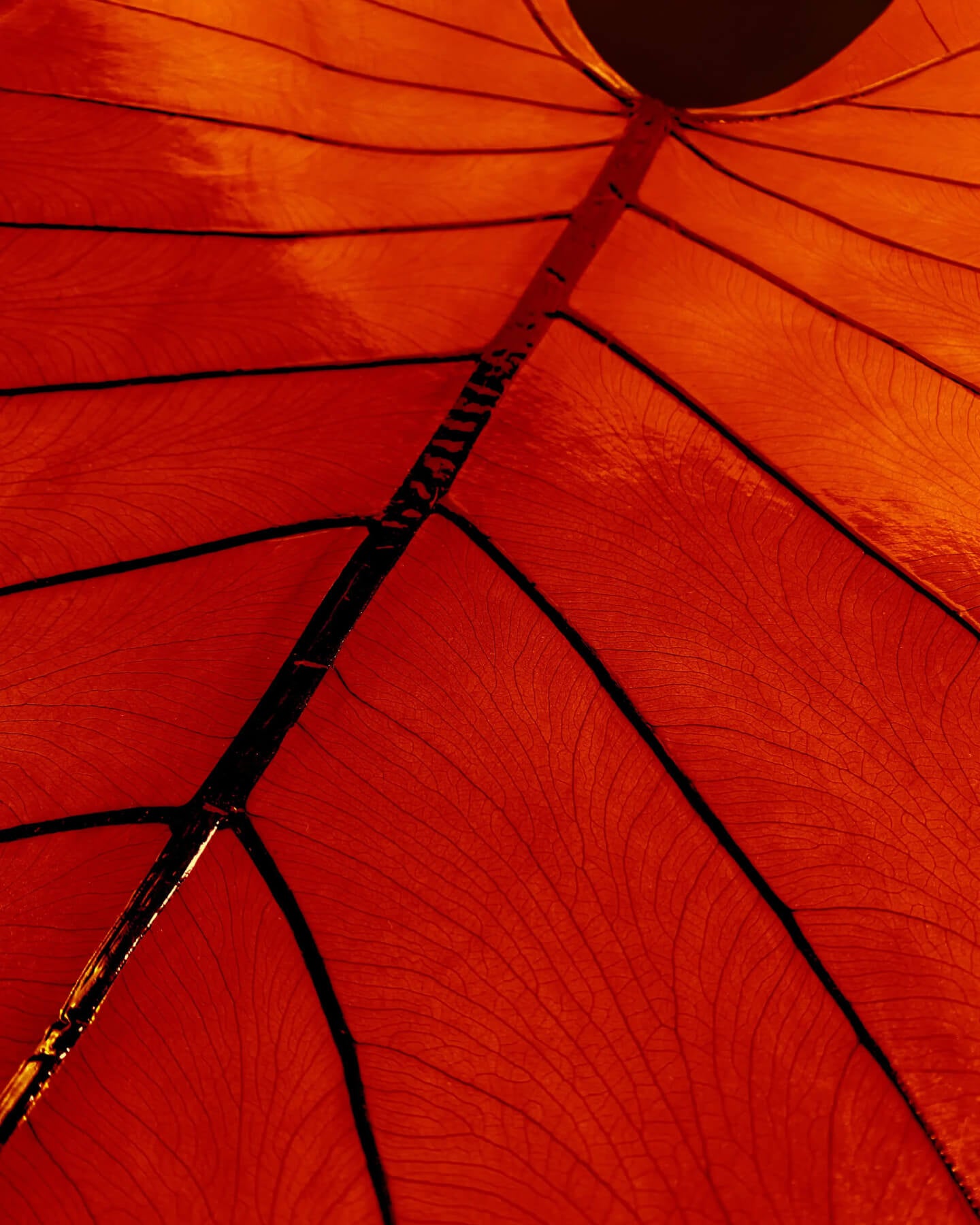
This is the sacral register. Svadhisthana, below the navel, element water, seat of pleasure, creativity and flow, sounded at 417 hertz, the frequency of change and renewal. Worn on the body, saffron red radiates warmth and sacral strength.
You see the good. You feel twinkly joy. You are rooted.
Sound Frequency
- 396 Hz
- The Liberation Frequency
- The lowest and most foundational tone of the ancient Solfeggio scale
- Used in sound healing to dissolve fear, guilt, and anxiety at the root and rebuild from a place of safety, strength, and inner knowing
Chakra
- Muladhara
- The Root Chakra
- Located at the base of the spine
- The body’s foundation
- The energy centre governing survival, safety, belonging, and the primal will to exist fully in the physical world

Historical significance
- Derived from the Arabic za’farān meaning golden, saffron carries 3,000 years of layered human meaning, royalty, spiritual purity, and prosperity across ancient Persian, Indian, and Mediterranean cultures
- In ancient Persia it was associated with joy and love, used in wedding rituals and royal ceremonies
- In ancient Greece and Rome it adorned the garments of gods and nobility. In Hinduism it stands for fire, the sun, and the divine, the color of sacrifice, light, and the eternal search for liberation
- Hindu saints and ascetics have worn it for millennia to signal renunciation of the worldly and commitment to the sacred path
- In Persian mythology, saffron was born from the tears of the hero Kaveh, who led a revolt against tyranny, a color that carries, at its origin, the act of standing up
- This is not a decorative color. It is a declaration

Portrait of Queen Elizabeth Ic 1560
Organ
- Adrenal glands, spine, legs, bones
- The body’s architecture of groundedness
- The nervous system’s capacity to feel safe enough to be fully present
Helps with
- Liberating deep feelings of guilt and fear
- Rebalancing the nervous system at its root
- Rebuilding a sense of safety and security after destabilisation
- Converting grief into joy and self-doubt into purposeful action
- Anchoring the body in the present moment
- Restoring the felt sense of home

Mineral
- Red jasper
- The stone of endurance, earth energy, and slow-burning strength
- Used by warriors and shamans across indigenous traditions to sustain courage over long journeys
- The stone of those who stay
Element
- Sacred fire
- The first light
- The warmth that everything living moves toward
- In Persian tradition, saffron was a bridge between people and the spiritual world, its deep crimson threads a way to reach the divine through the earthly
- The courage to be rooted while the world moves around you

Sense
- Smell
- The oldest and most primal sense
- The one that bypasses logic entirely and goes directly to memory, safety, and belonging
- The body remembering before the mind does
Smell
- Burning spice
- Warm earth
- Temple incense. In ancient Greece, saffron was burned in temples to create a purifying atmosphere believed to bring divine favor
- Scorched clay
- The dry heat of an ancient stone floor in afternoon sun
- Leather and smoke and something animal and alive

Emotion
- Primal warmth
- Steadiness
- The particular courage of those who are deeply rooted
- The feeling of fire at your back
- Belonging to the Earth and to yourself simultaneously
Taste
- Saffron rice with rose water
- Warm spiced broth
- Smoked paprika
- The back-of-the-throat heat of fresh ginger
- Dried apricot
- A slow-cooked stew that has been on the fire for hours

Pigment in nature used to create color
- The dried stigma of the Crocus sativus hand-harvested, three threads per flower, the most labor-intensive spice on Earth
- Warm red clay
- Turmeric root
- Dried marigold
- The bark of the cinnamon tree
- Iron-red earth at golden hour
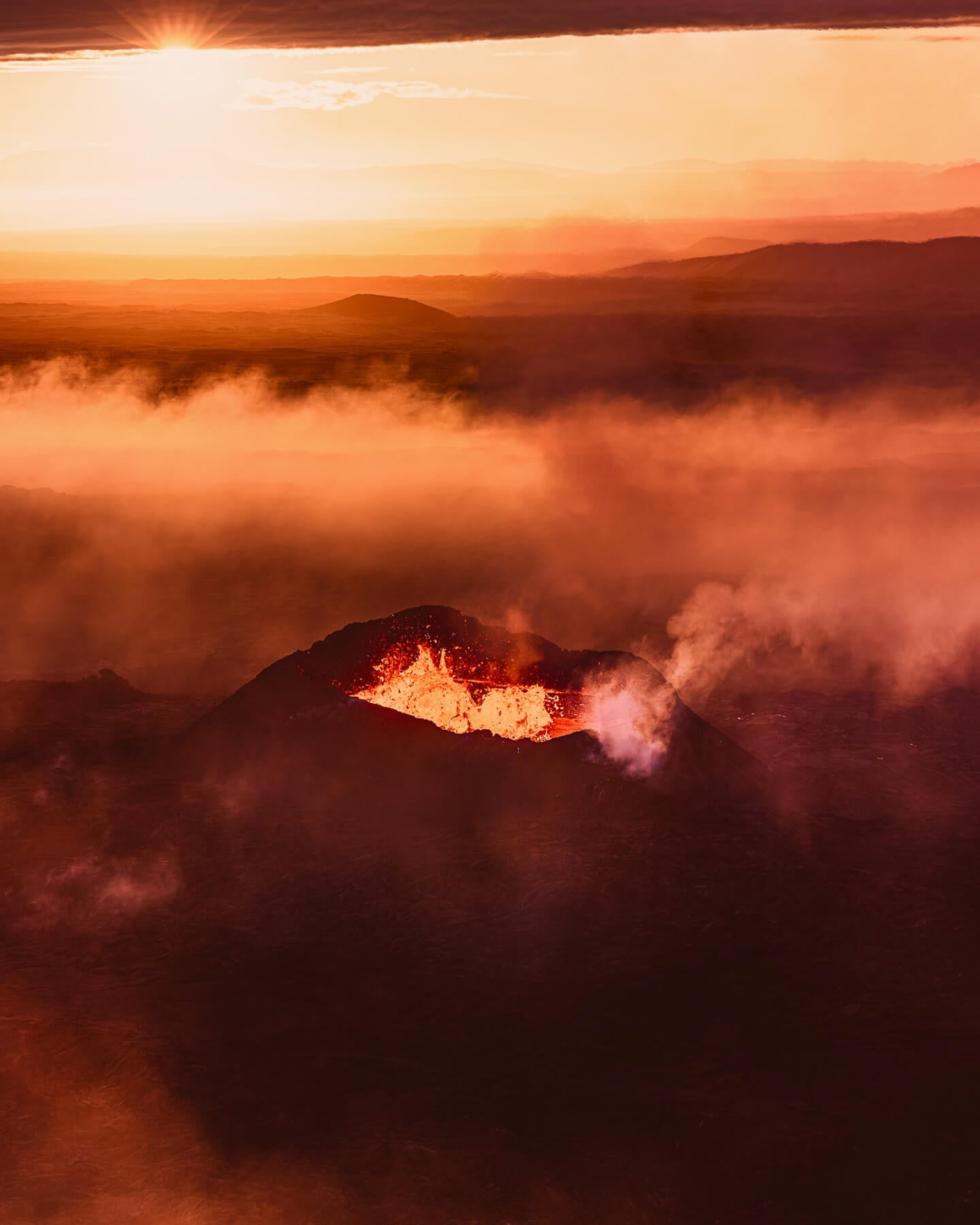
- The embers of a fire at its most alive

to wear saffron is to be a part of something larger


